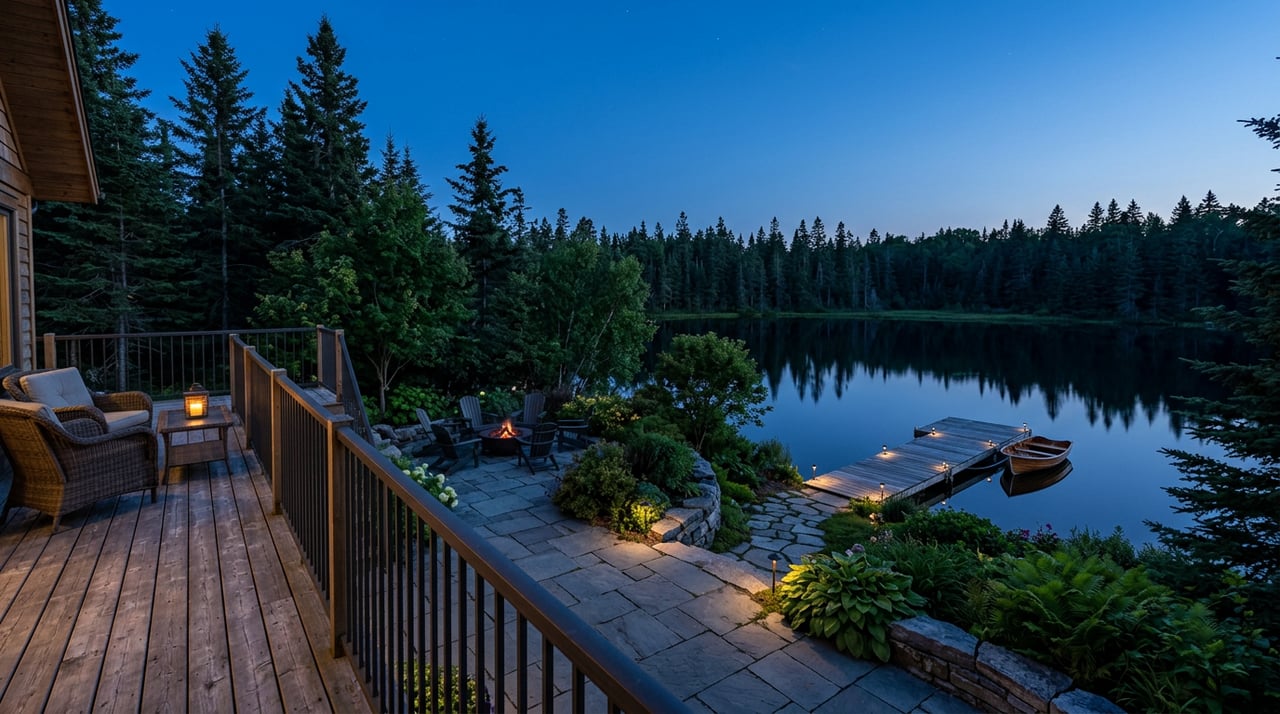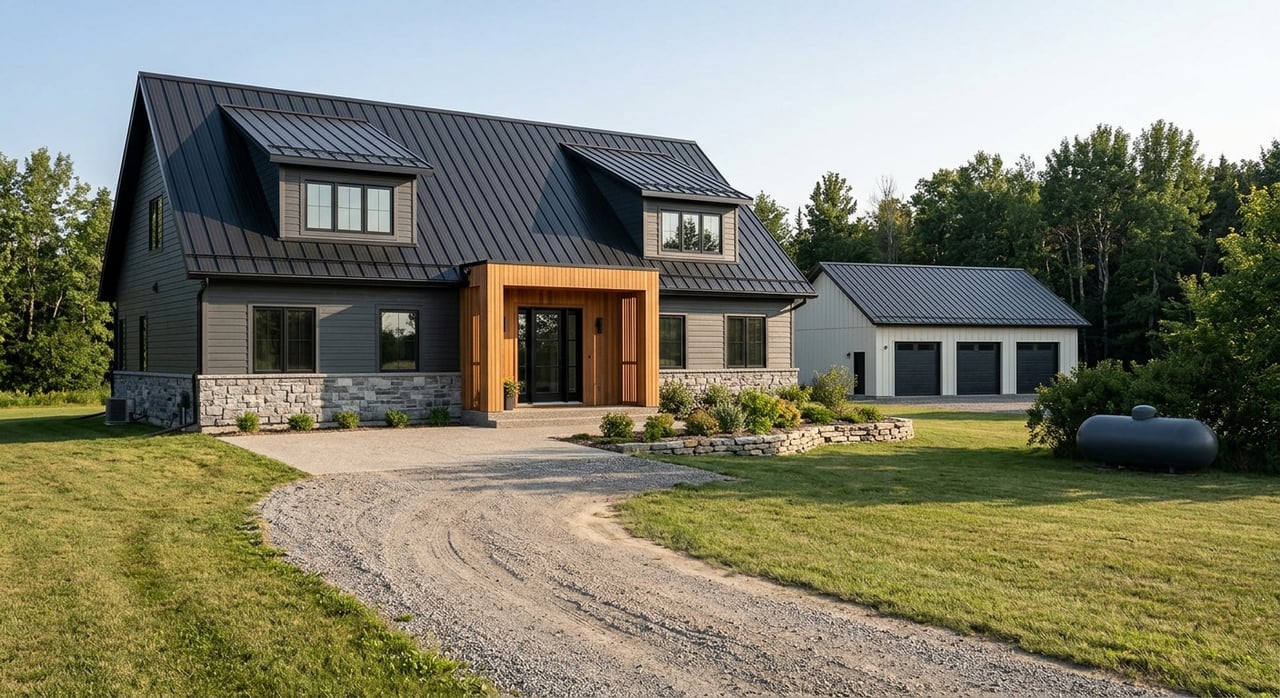
Dreaming about more space, quieter mornings, and room for a shop, horses, or simply a better view? Buying an acreage near Calgary can absolutely deliver that lifestyle, but it also comes with a different set of questions than buying in the city. If you are considering a rural property in Rocky View County, Foothills County, or nearby areas around Calgary, it helps to know what to check before you write an offer. Let’s dive in.
Start With the Bigger Picture
When most buyers say they want an acreage near Calgary, they are usually looking at the ring of rural municipalities around the city, especially Rocky View County and Foothills County. These areas are shaped by local planning rules and long-term regional growth policies, including Rocky View County’s connection to the Calgary Metropolitan Region Growth Plan and joint planning areas with Calgary.
That matters because an acreage is not just a home purchase. It is also a land-use decision. What you can do with the property today, and what may happen around it later, depends heavily on county planning documents, zoning, and future growth policy.
Think Beyond Drive Time
Acreage buyers often focus first on privacy and lot size, but your day-to-day routine still matters. Calgary remains the main commute benchmark, and Statistics Canada reported an average commute time of 27.7 minutes for Calgary in May 2025.
On an acreage, your actual commute can vary much more. Travel time depends on your exact route, road conditions, weather, and whether part of your trip involves private or less predictable rural roads. A property that feels close on a map may feel very different during winter or after a snowfall.
Know That Acreage Size Is Not Standard
One common mistake is assuming all acreages work the same way. They do not. Parcel sizes and development frameworks vary by municipality.
For example, Foothills County says a first parcel out should be at least 2 acres and, where possible, not larger than 20.99 acres. Rocky View County uses a different framework, including un-clustered country residential development at a maximum density of 0.5 units per acre outside preferred growth areas or existing ASPs, according to county planning guidance. That is why it is important to review the exact parcel, not just the listing description.
Check Zoning Before You Fall in Love
Zoning is one of the biggest acreage issues, especially if you want more than a house and a yard. If you are planning for a shop, outbuildings, a home-based business use, or future changes to the property, confirm what is allowed before moving ahead.
Rocky View County explains that its Land Use Bylaw is the rulebook for development, including district types, permitted uses, minimum standards, and redesignation. Foothills County says its Land Use Bylaw determines what may occur on a property based on zoning.
A simple rule to remember is this: your intended use needs to match the current zoning, or you may need approvals before you can move forward. If the use does not fit, redesignation may be required, and that can affect your timeline, cost, and risk.
Understand Permits and Approval Requirements
Many buyers assume they can make changes after possession without much county involvement. On acreage properties, that assumption can cause trouble.
In Rocky View County, development permits may be required for new buildings, additions, repairs, changes of use, excavation or stockpiling, and signage. If the land use does not align with the proposed project, redesignation may need to happen first.
Some minor projects can be exempt, but you should never rely on guesswork. Before you buy, it is smart to ask what has already been approved on the property and what future projects would require county review.
Setbacks Can Limit What You Can Build
Acreage buyers often picture adding a garage, moving a fence, building a barn, or expanding the home. The challenge is that large land does not always mean large usable land.
Foothills County notes that building locations can be limited by property lines, roads, slopes, pipeline rights-of-way, utilities, flood-prone lands, and other hazards. In some cases, the county may require a plan showing the developable area. In practical terms, that means a property may feel spacious while still having real limits on where structures can go.
Review the Real Property Report Carefully
A Real Property Report, often called an RPR, is a key document in many acreage transactions. It can help confirm whether structures appear to comply with setback rules and where improvements sit on the land.
In Rocky View County, a certificate of compliance request requires an original RPR prepared by an Alberta Land Surveyor. The survey must be within five years and show all structures. The county also notes that compliance review confirms setback compliance, but it does not verify every permit or every possible Land Use Bylaw issue.
That is important. An RPR is valuable, but it is not a complete substitute for broader due diligence.
Ask Hard Questions About Water and Septic
Utilities on an acreage are often very different from city services. Many rural properties rely on private wells and on-site sewage systems, and both deserve close attention.
Alberta states that private wells are the owner’s responsibility. Health Canada recommends testing well water at least every six months for microbial contaminants and every two years for general water quality. Alberta also provides a public Alberta Water Well Information Database for drilled well records.
For sewage, Alberta’s private sewage rules require certified contractors to obtain permits for system design and installation. If a property has an older septic setup, ask for documentation and make sure the system history is as clear as possible.
Confirm Access, Road Maintenance, and Winter Reality
Road access can affect convenience, cost, and even safety. This is one of the most important acreage issues to verify before you buy.
Foothills County says some roads are not maintained by the county, and private roads and driveways are the landowner’s responsibility. The county also notes that emergency response times cannot be guaranteed and that rural addresses should be clearly posted. If access crosses other land, legal advice may be needed because easements are not the same as legal access for subdivision approval.
Rocky View County maintains more than 2,400 kilometres of roads, but winter travel conditions can still vary. Rural driving is usually less predictable than city driving, especially during snow, ice, or blowing conditions. It is worth asking who clears snow, who maintains the driveway, and what winter access actually looks like.
Do Not Assume Mail and Deliveries Work Like the City
This sounds minor until you live there. Foothills County advises buyers to confirm delivery expectations with Canada Post and parcel carriers before purchasing because mail and parcel delivery are not guaranteed in all rural areas.
If frequent deliveries are part of your routine, this is worth checking early. It is a small detail that can affect day-to-day convenience more than many buyers expect.
Be Ready for Rural Living Conditions
Acreage life near Calgary can be beautiful, but it is not the same as suburban living. Rural properties often sit near active agricultural operations, and that comes with normal country realities.
Rocky View County says rural living may include dust, livestock movement, herbicide use, and changing road conditions. Foothills County adds that odors, noise, spraying, wildlife, and heavy farm activity are normal parts of country life. None of this is necessarily a problem, but it should match your expectations before you commit.
Consider Fire, Slope, and Water Risks
Environmental and land-related risks matter more on acreage than they do in many city neighborhoods. Trees, slopes, drainage patterns, and open land all affect how a property functions over time.
Rocky View County notes that fire bans and advisories change with weather and moisture conditions. Foothills County also highlights wildfire exposure, slope concerns, and the way topography affects water flow, along with setback rules tied to hazards such as flood-prone lands and wastewater facilities.
A property can look ideal in good weather and still have practical risks that deserve review. This is one more reason acreage buying should always include careful document and site review.
Review Easements, Covenants, and Rights
Not every limitation is visible when you walk the land. Foothills County advises buyers to check easements, covenants, and gas or mineral rights, and it reminds buyers that easements are not the same as legal access for subdivision approval.
You should also avoid assuming that fences mark true title lines. Foothills says buyers should not assume fences match title boundaries, and Rocky View notes that weeds, fences, and livestock are part of the normal operating environment in rural areas. These details can affect both how you use the property and what future changes are possible.
Understand How Taxes and Use Can Interact
Assessment on acreage properties can be more nuanced than on a typical city home. Use matters.
Rocky View County explains that residential property is assessed at market value, while farmland and farm properties use regulated approaches. On a farm property with a residence, the first three acres and the residence are assessed at market value, and any commercial use on a residential acreage is assessed as non-residential. Foothills County uses a similar approach for farm residential properties.
If you are buying a property with mixed-use potential or agricultural characteristics, this is an important point to review with the right professionals during your due diligence.
A Simple Acreage Due Diligence Checklist
Before you make an offer on an acreage near Calgary, make sure you can answer these questions:
- What zoning applies today, and does your intended use comply?
- Will you need a development permit or redesignation for future plans?
- Is there a current Real Property Report, and can a compliance review be obtained?
- Are there setback, slope, flood, pipeline, or utility constraints?
- Is the property served by a private well, and when was the water last tested?
- Is the septic system documented and installed by certified professionals?
- Is the road public or private, and who handles grading, snow clearing, and repairs?
- Are there easements, covenants, or rights issues that affect use or access?
- What does winter access really look like?
- How might surrounding land use change over time?
Why Guidance Matters With Acreage Purchases
Buying an acreage is exciting, but it usually involves more moving parts than buying a standard house in the city. You are evaluating not just the home, but also the land, servicing, access, restrictions, and long-term fit.
That is where a calm, step-by-step process matters. I work with buyers across Calgary, Airdrie, and surrounding communities to help make complex purchases feel clear and manageable, especially when lifestyle properties require extra diligence.
If you are thinking about buying an acreage near Calgary and want practical guidance on what to watch for, connect with Trenton Pittner. I’d be glad to help you evaluate your options and move forward with confidence.
FAQs
What should you check before buying an acreage near Calgary?
- You should confirm zoning, permits, setbacks, water source, septic documentation, road access, maintenance responsibility, easements, and any limits on future use.
What zoning questions matter for Calgary-area acreage buyers?
- You should verify the current land use district, whether your intended use is allowed, and whether redesignation or development permits may be required.
What utility issues should buyers review on rural acreage properties?
- Many acreage properties rely on private wells and on-site sewage systems, so you should review water testing, well records, septic permits, and system documentation.
What access concerns apply to acreage properties in Rocky View or Foothills?
- You should confirm whether the road is county-maintained or private, who clears snow and repairs the road or driveway, and whether legal access is properly established.
What rural lifestyle realities should buyers expect near Calgary?
- You should expect normal country conditions such as dust, odors, noise, spraying, wildlife, livestock activity, and road conditions that may change with weather and seasons.
What documents are important in an acreage purchase transaction?
- A current Real Property Report, zoning information, permit history, well and septic records, and any documents related to easements or covenants are all important to review.